
The Nature of Risk-Taking in Gambling
Risk-taking is a fundamental aspect of human behavior, deeply rooted in our psychological makeup. In the context of casino games, players often embrace risk for various reasons, including the thrill of uncertainty and the potential for monetary rewards. The allure of high-stakes gambling can trigger adrenaline rushes, activating the brain’s reward systems, which are similar to those engaged during other high-risk activities. This psychological stimulation can create a compelling cycle where the excitement of winning reinforces the desire to continue taking risks, as seen by those who prefer the best casino platforms for Aussies.
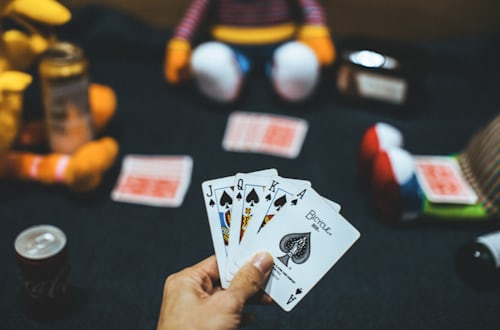
Furthermore, the environment of casinos is designed to amplify this risk-taking behavior. With bright lights, engaging sounds, and a sense of community among players, gaming establishments create an atmosphere that encourages individuals to embrace their instincts. The social interactions that unfold around table games or slot machines can enhance the perceived benefits of risk-taking, making it an integral part of the overall gaming experience.
The Role of Personality in Gaming Decisions
Personality traits significantly influence how individuals approach risk-taking in casino settings. Research suggests that traits such as sensation-seeking and impulsivity are positively correlated with higher gambling tendencies. Players who crave excitement may be more inclined to engage in riskier bets, while those who are more cautious might opt for safer gaming strategies. This variation in personalities leads to diverse gambling behaviors, making the casino landscape a rich tapestry of risk-takers and risk-averse players.
Moreover, understanding one’s personality can aid in developing personalized gambling strategies. For instance, players with high levels of discipline might excel in skill-based games that require patience and strategy, while impulsive individuals may fare better in games that offer quick thrills and immediate feedback. Recognizing these tendencies can empower players to make more informed decisions about their gaming habits.
The Impact of Cognitive Biases on Gambling Choices
Cognitive biases play a crucial role in how players perceive risk and make decisions in casino games. One prevalent bias is the illusion of control, where gamblers believe they can influence the outcome of games that are purely chance-based, such as slots or roulette. This misconception can lead to more frequent risk-taking behavior as players attempt to assert their perceived control over random outcomes.
Another common bias is the gambler’s fallacy, where individuals assume that past events affect the likelihood of future events. For instance, a player may continue to bet on a losing streak, convinced that a win is “due.” These cognitive distortions not only heighten the thrill associated with risk-taking but can also lead to negative consequences, such as chasing losses or developing problematic gambling habits.
The Influence of Emotion on Gambling Behavior
Emotions are powerful drivers of decision-making, especially in the high-stakes world of gambling. Players often experience a rollercoaster of emotions, from the excitement of potential wins to the disappointment of losses. These emotional highs and lows can significantly impact risk-taking behavior, prompting players to chase feelings of euphoria or escape from stress.
Moreover, the emotional state of a player at the moment of gambling can alter their perception of risk. For instance, a player feeling euphoric after a win might engage in riskier bets than someone who is feeling anxious after a loss. This fluctuating emotional landscape can create an unpredictable gambling experience, often leading players to make impulsive decisions that they might otherwise avoid.
Conclusion: Navigating the World of Casino Gaming
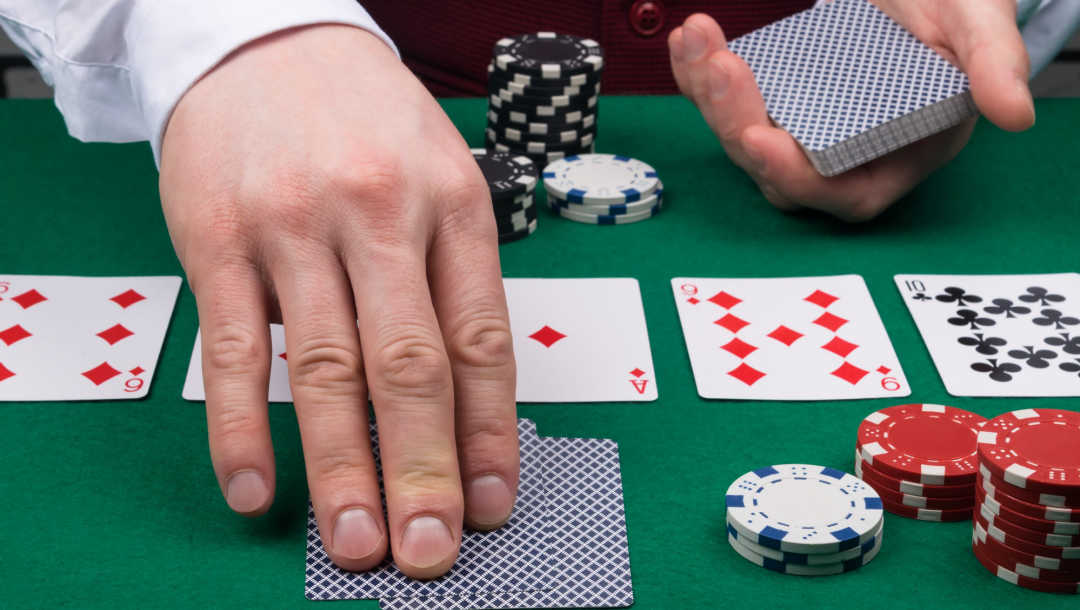
Understanding the psychology behind risk-taking in casino games can empower players to make more informed choices about their gambling habits. By recognizing the influences of personality, cognitive biases, and emotions, individuals can better navigate the thrilling yet risky landscape of gambling. This awareness can ultimately enhance their overall gaming experience while promoting responsible gambling practices.
As you explore the realm of online casinos, remember that each gaming session should be approached with mindfulness and self-awareness. By staying informed about gaming behaviors and making conscious decisions, you can enjoy all the excitement that casino games offer while keeping risk in check. Whether you are seeking real money pokies or simply looking to enjoy the thrill of the game, understanding the psychology of gambling can enrich your experience significantly.